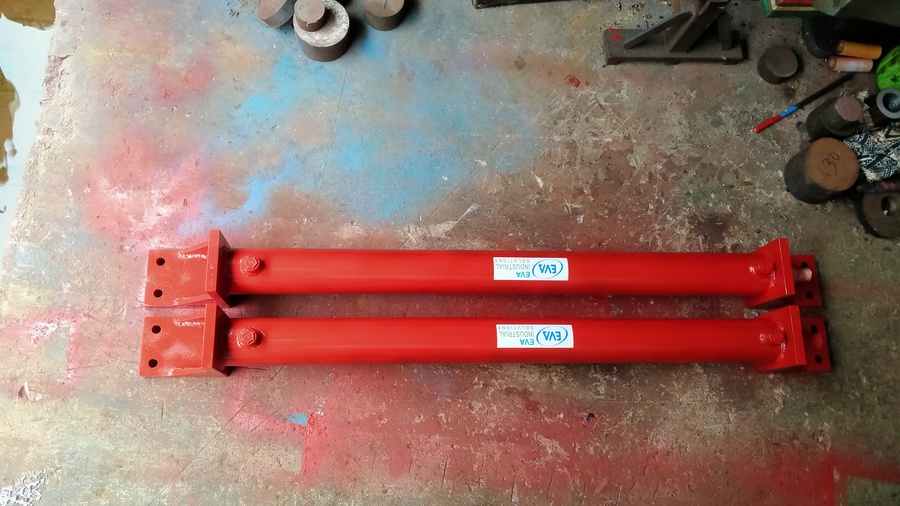
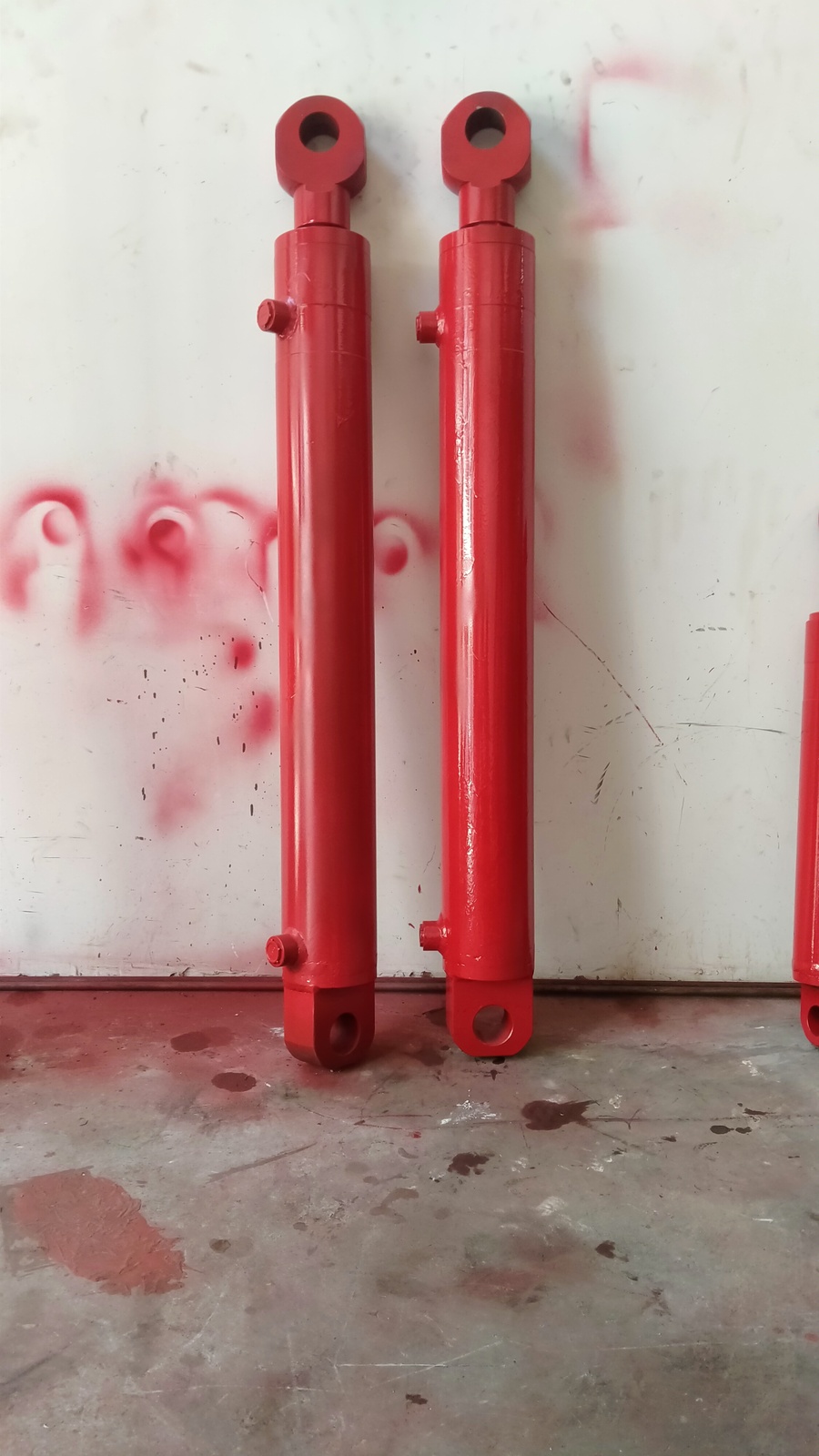
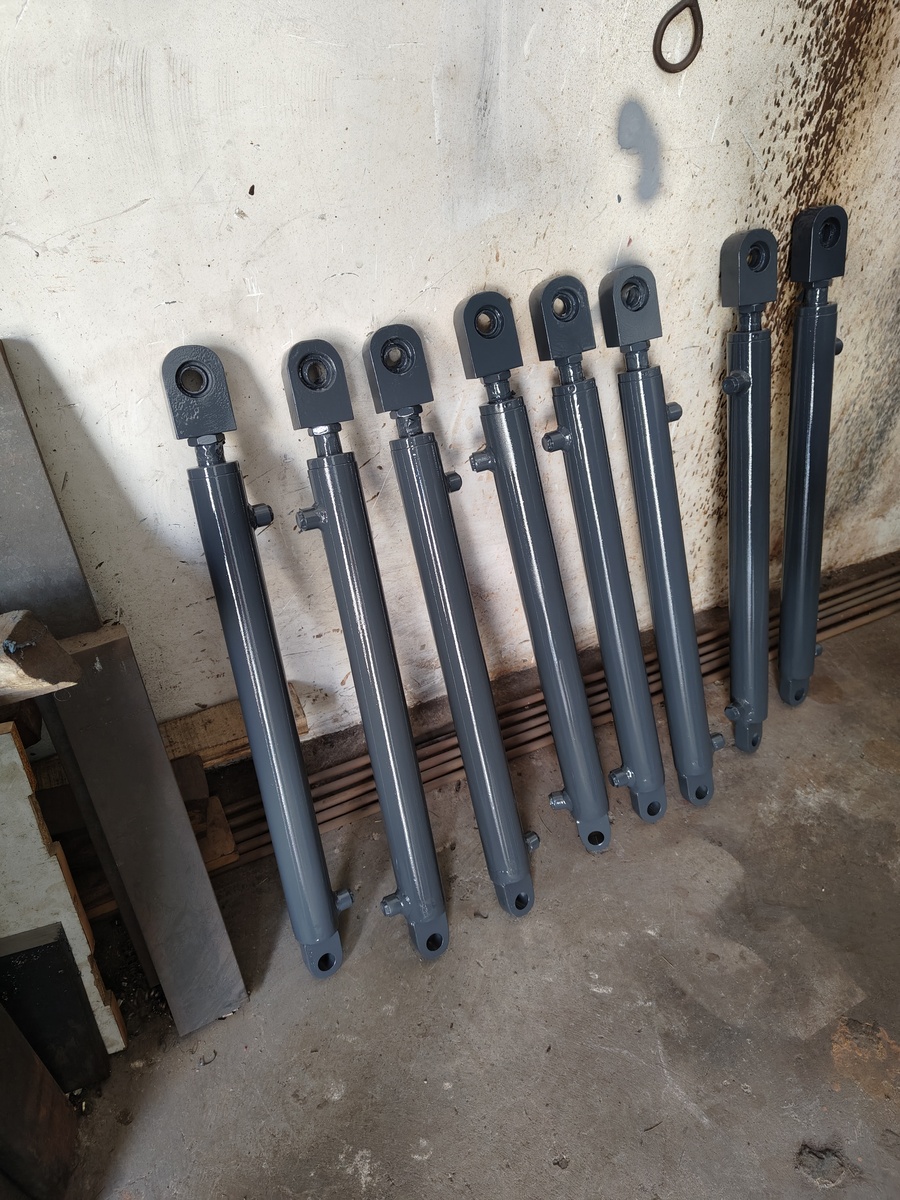
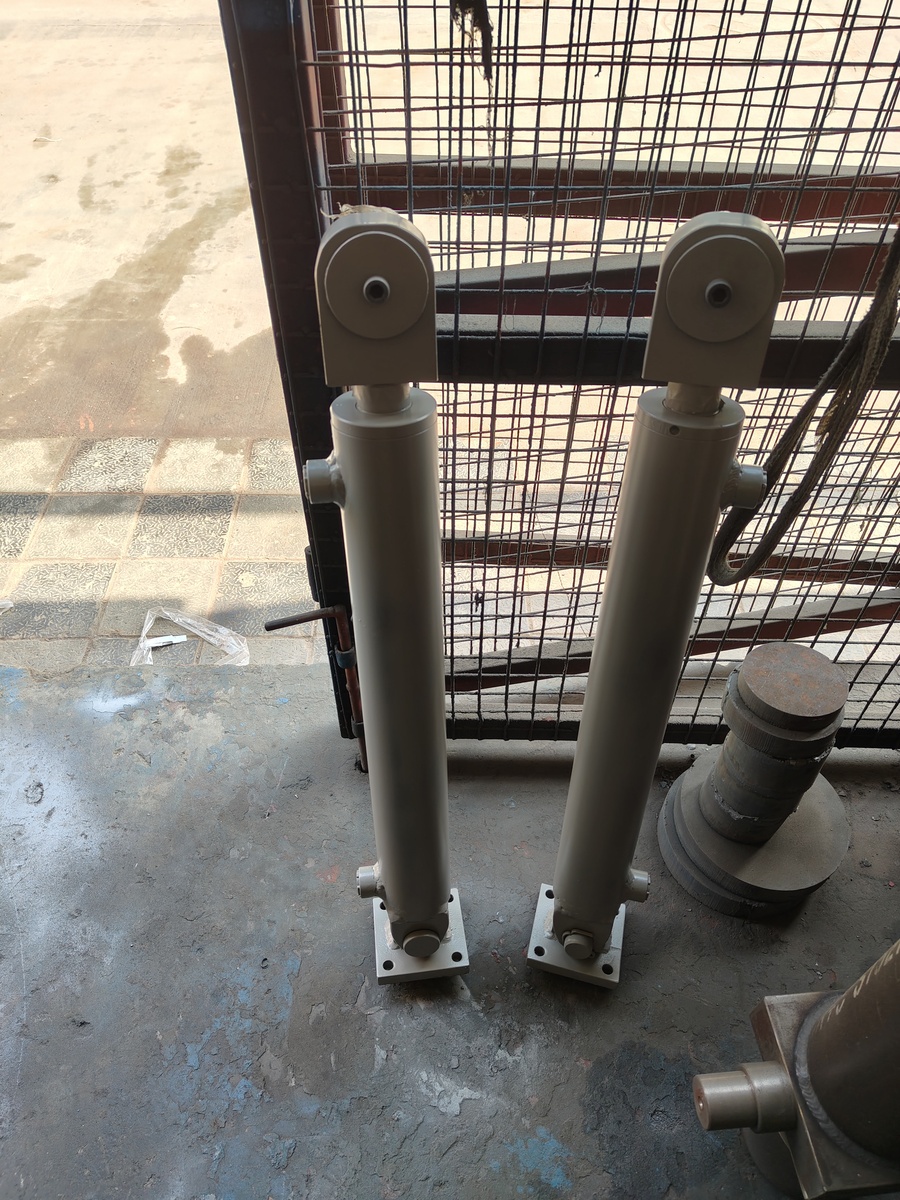
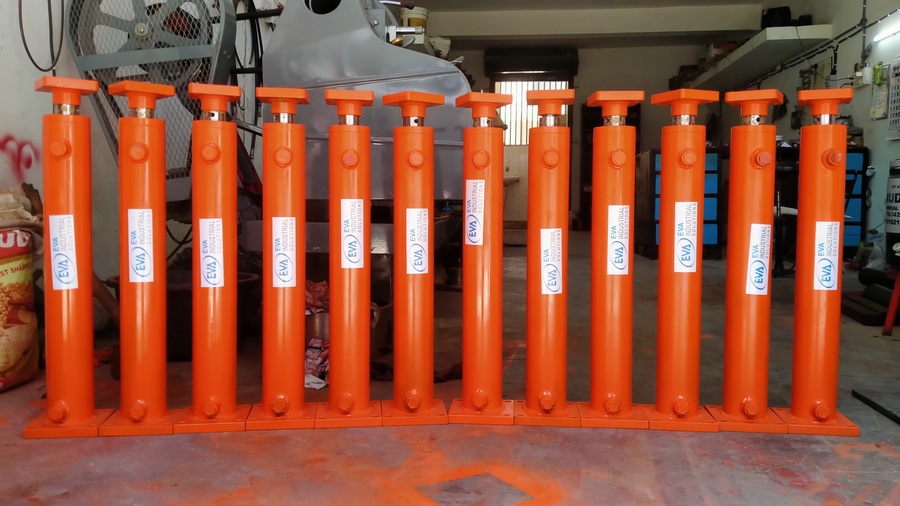
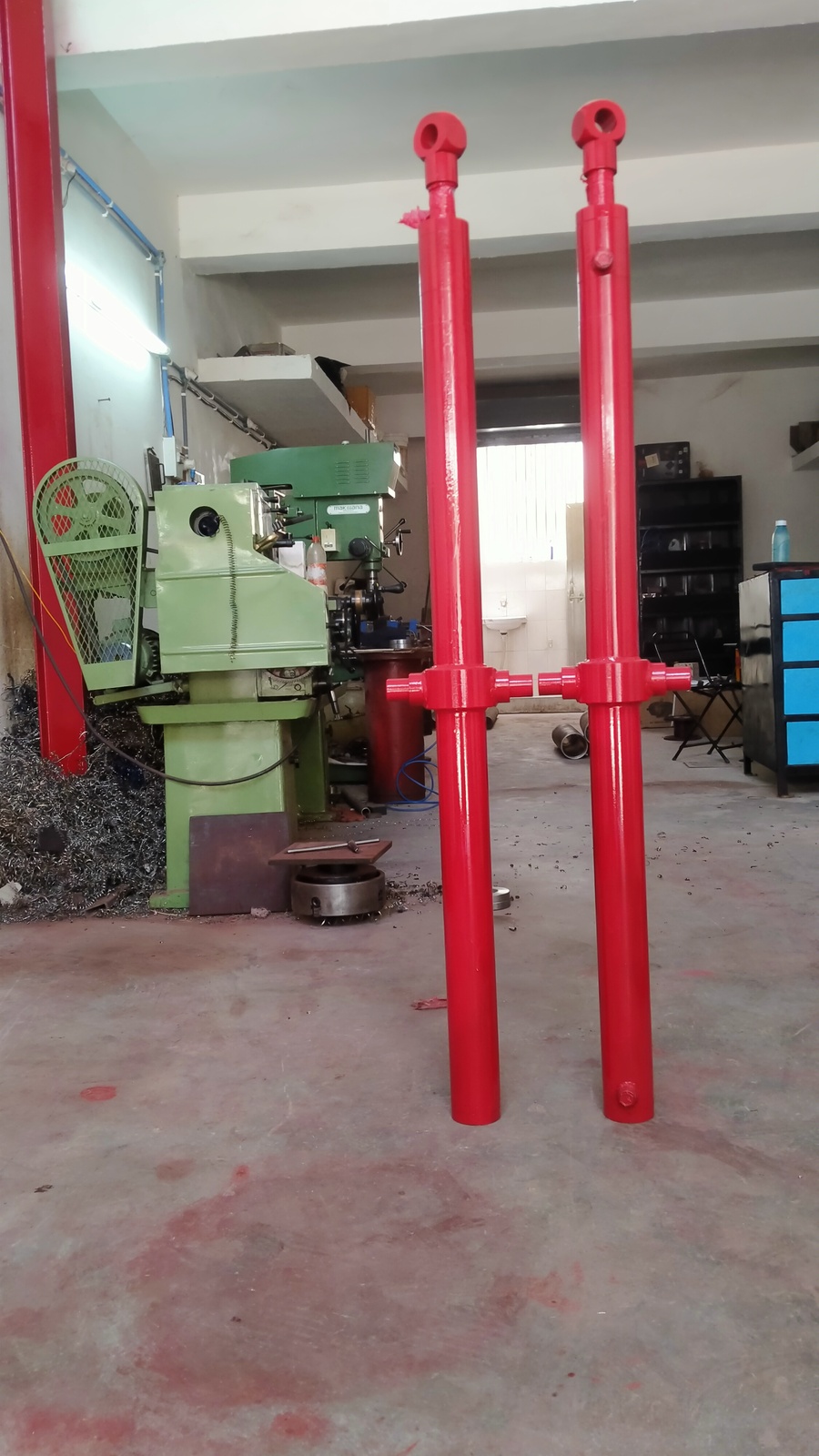
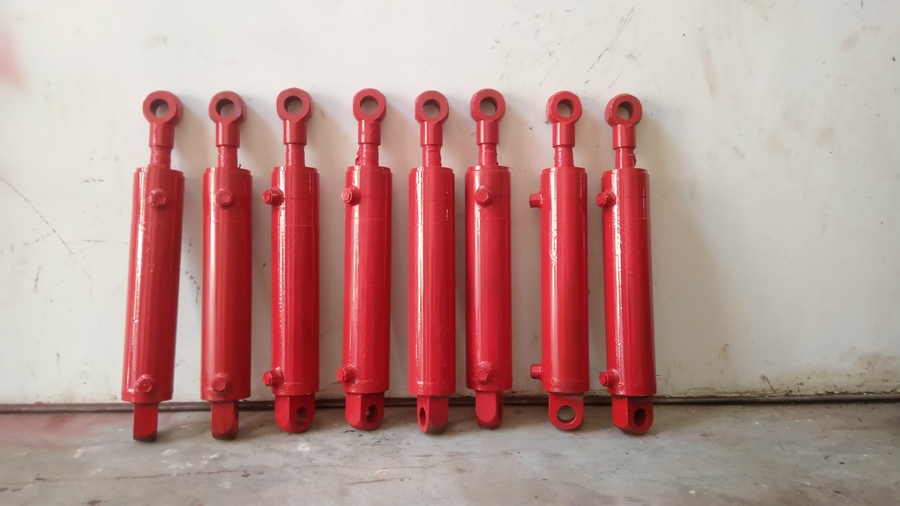
Lorem ipsum dolor sit amet consectetur adipisicing elit. Minima incidunt eaque ab cumque, porro maxime autem sed.
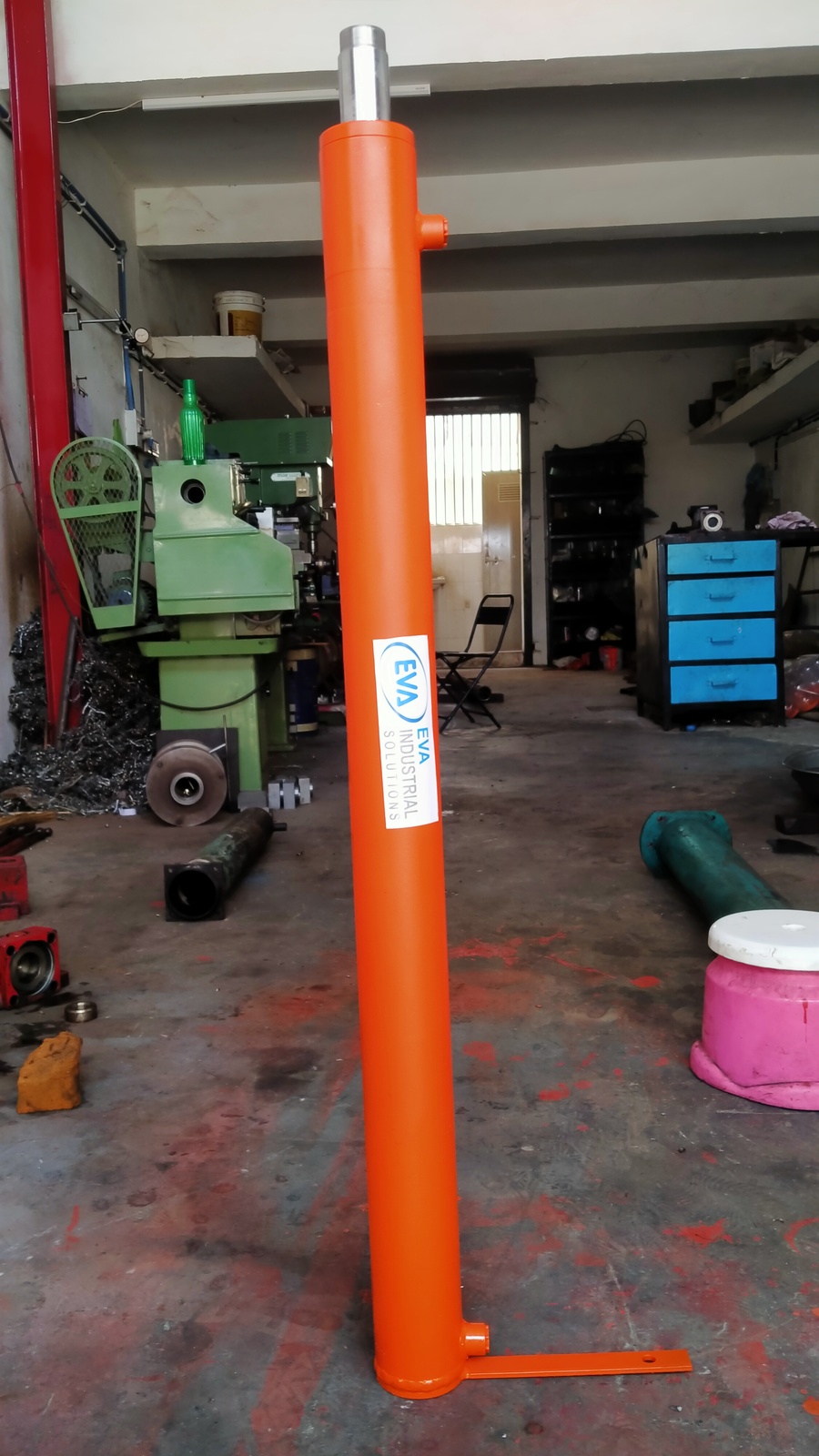
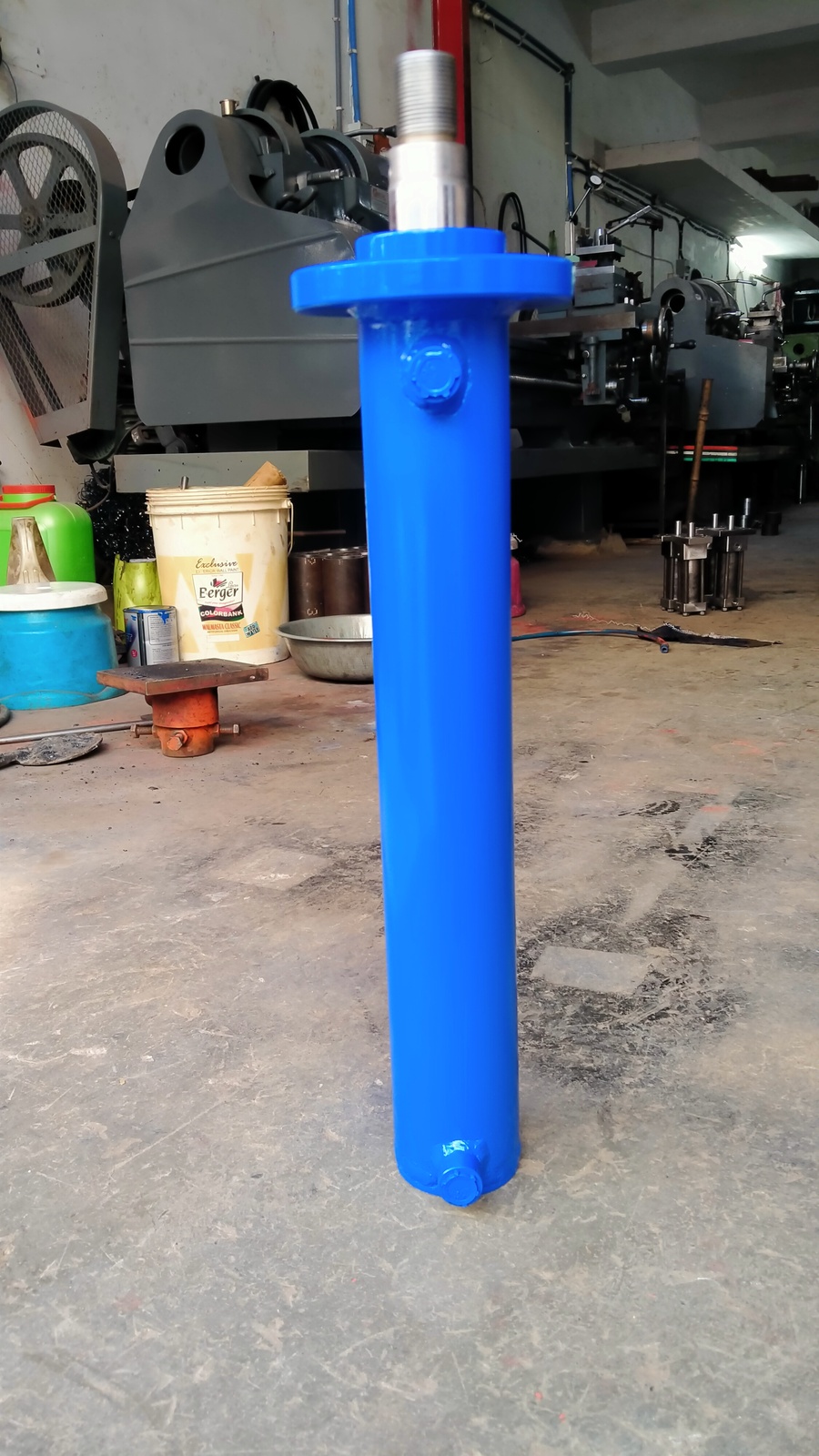
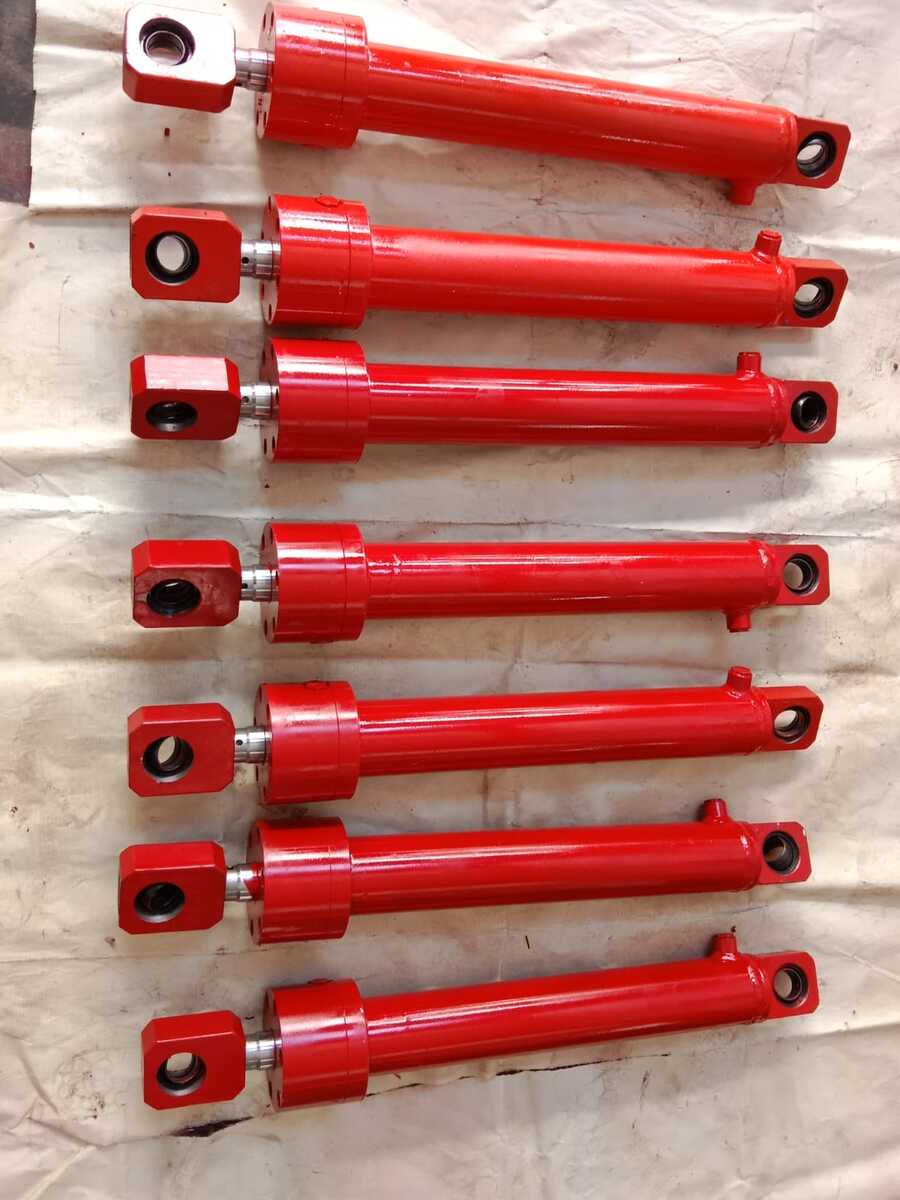
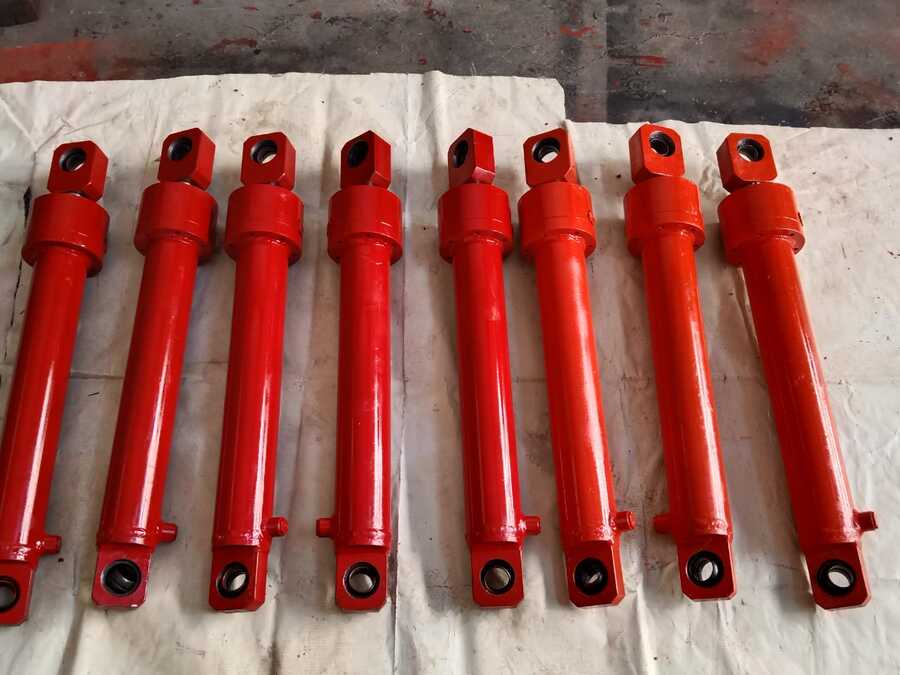
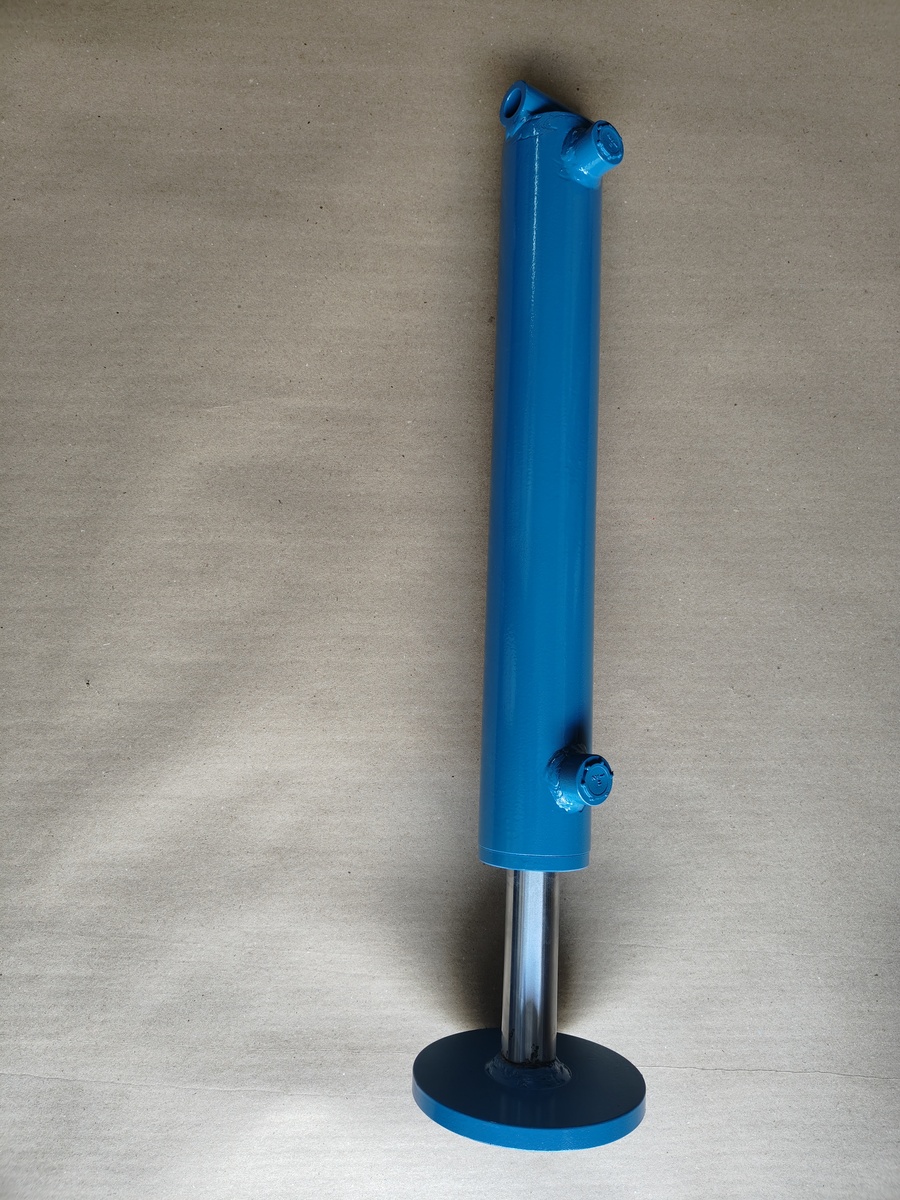
A double-acting hydraulic cylinder is a mechanical device that uses pressurized hydraulic fluid to exert force and achieve controlled linear motion in both the extension and retraction directions. Unlike single-acting cylinders that rely on an external force like gravity or a spring for return, the double-acting cylinder uses hydraulic power for the entire controlled cycle.
The main components of a double-acting cylinder include:
The main body or tube that houses the internal components.
A disc that fits snugly inside the barrel, separating it into two distinct chambers: the cap-end chamber (base end) and the rod-end chamber (head end).
A sturdy shaft attached to the piston that extends out from one end of the cylinder, transmitting the linear force to the external load.
Two openings, one for each chamber, to allow hydraulic fluid to enter and exit.
Various seals (piston seals, rod seals, wipers) are used to prevent fluid leakage between chambers or out of the cylinder, ensuring efficient operation and preventing contamination.
Securely attached to both ends of the barrel, providing a seal and often mounting points for the cylinder assembly.
The operation of a double-acting cylinder relies on Pascal's principle, which states that pressure applied to a confined fluid is transmitted equally throughout.
Pressurized hydraulic fluid is pumped into the cap-end port (the base side). This fluid pushes against the large surface area of the piston, causing the piston and the attached rod to extend outwards. Simultaneously, the fluid in the rod-end chamber is forced out through the other port and typically returned to the reservoir.
To reverse the motion, the flow of the hydraulic fluid is switched using a control valve (typically a 4-way valve). Pressurized fluid is directed into the rod-end port. This pressure pushes against the other side of the piston, causing it to move back and retract the piston rod into the barrel. The fluid in the cap-end chamber is expelled through its port.