Lorem ipsum dolor sit amet consectetur adipisicing elit. Minima incidunt eaque ab cumque, porro maxime autem sed.
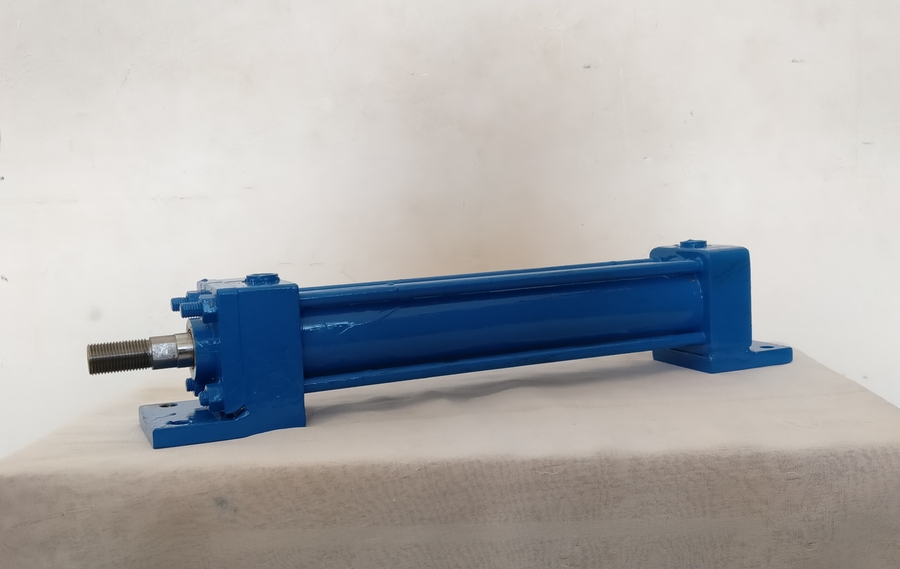
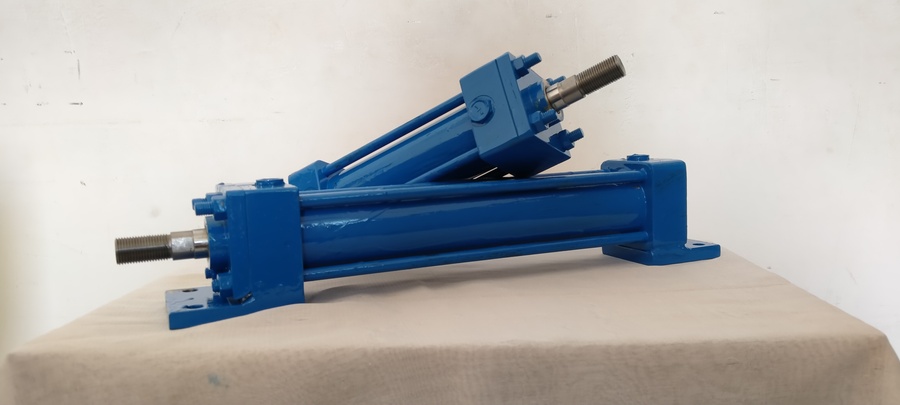
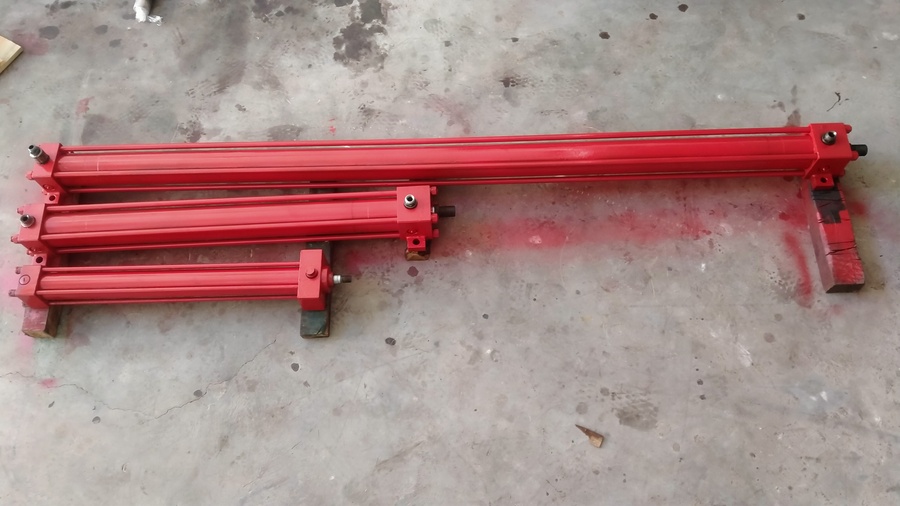
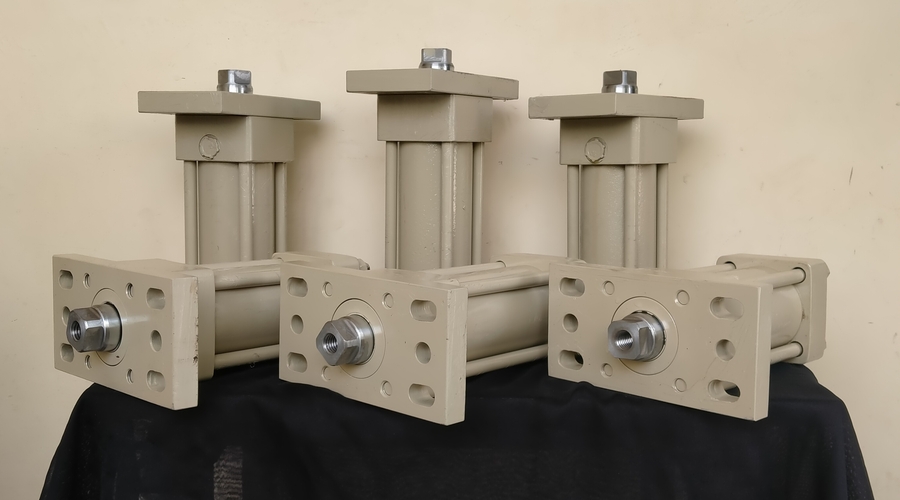
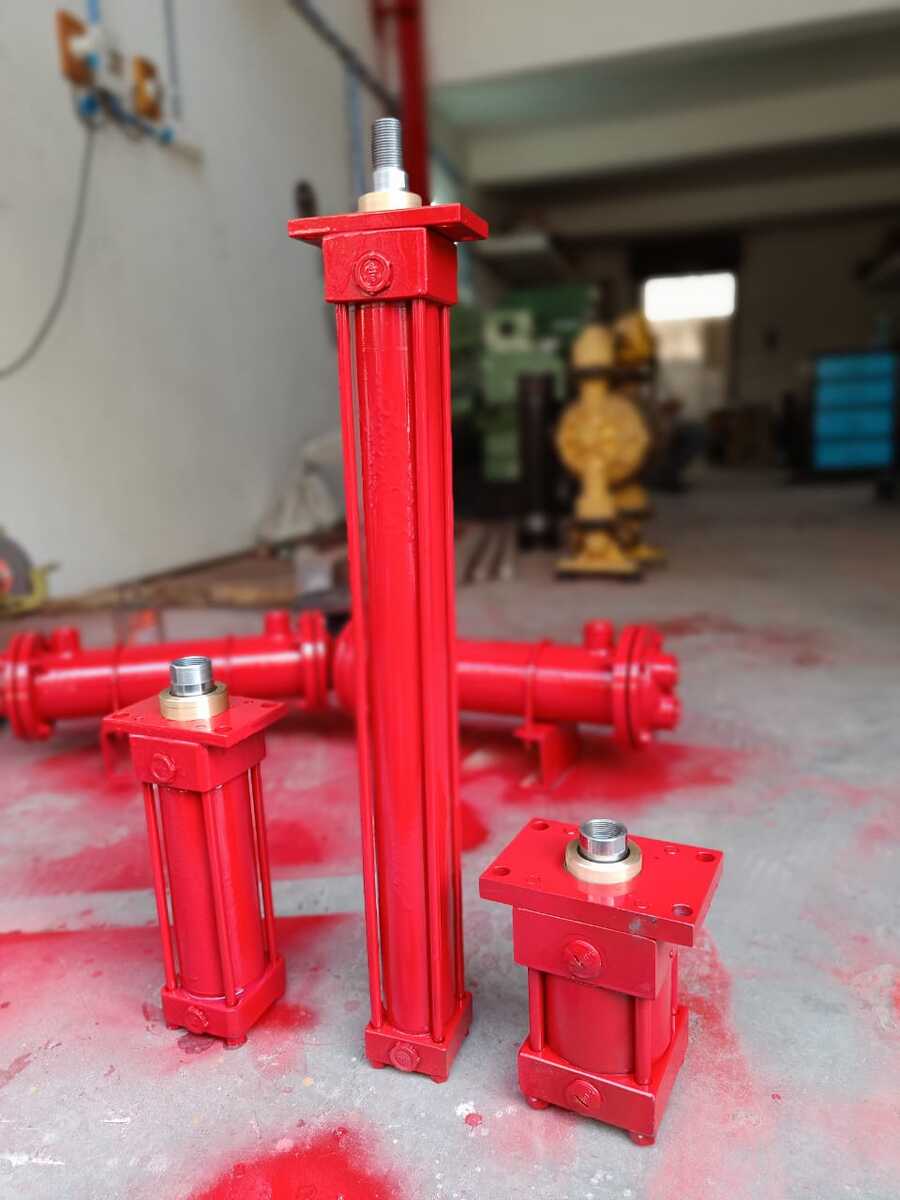
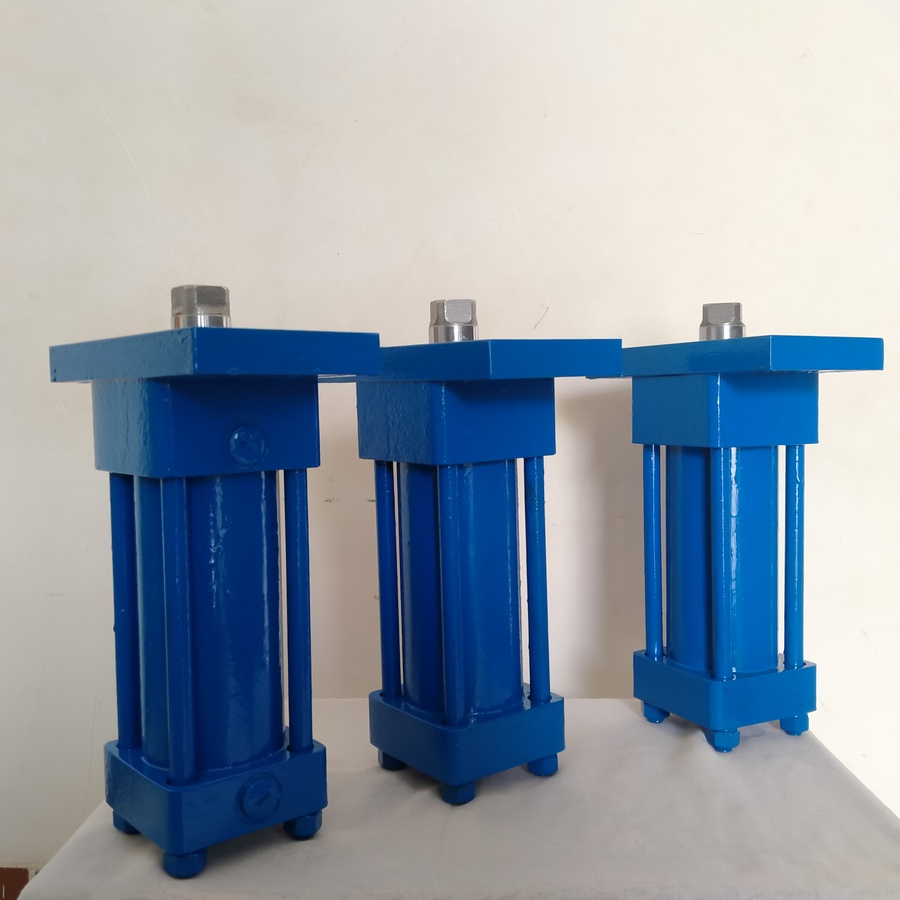
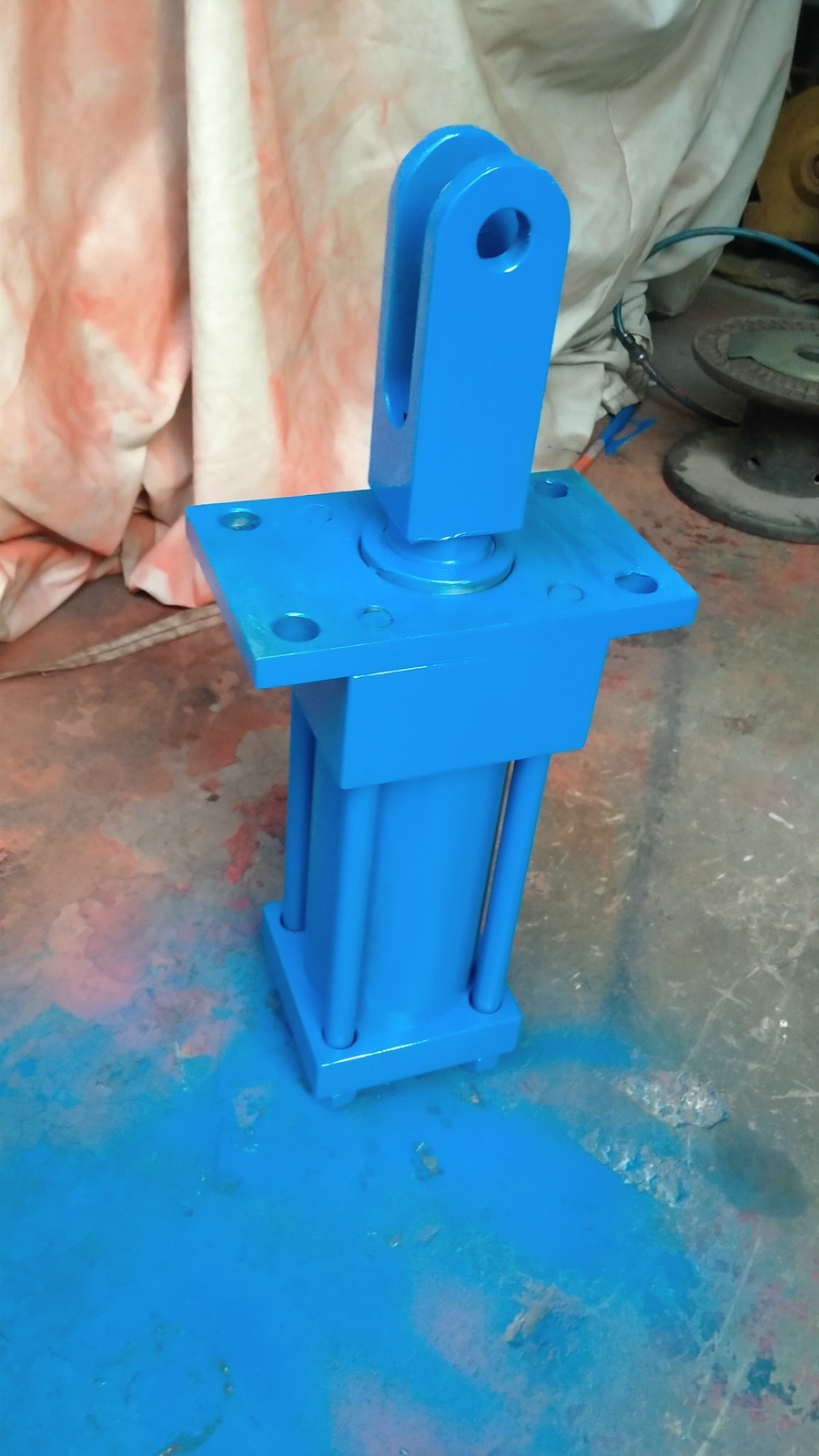
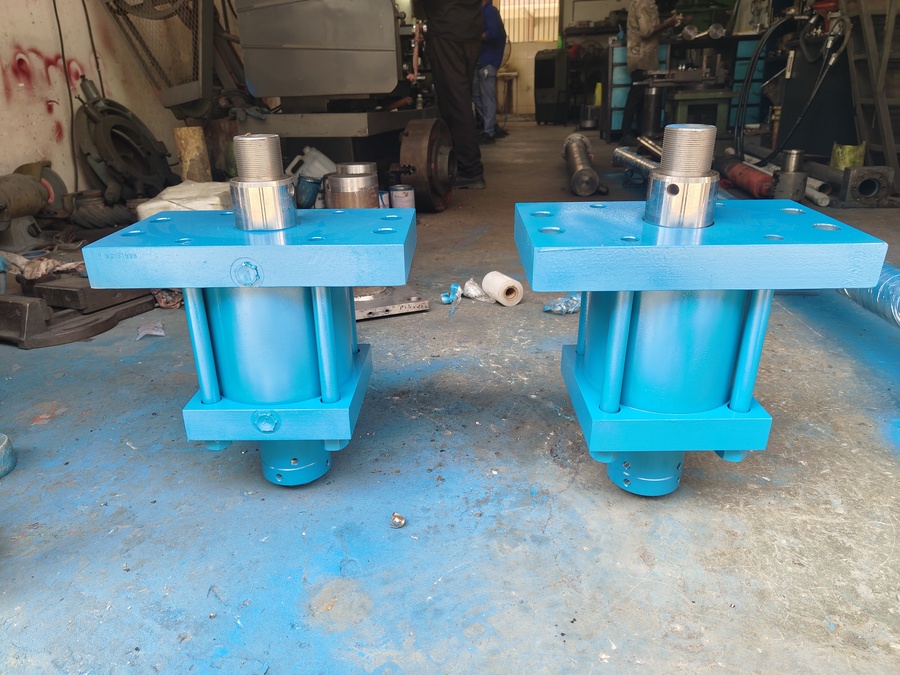
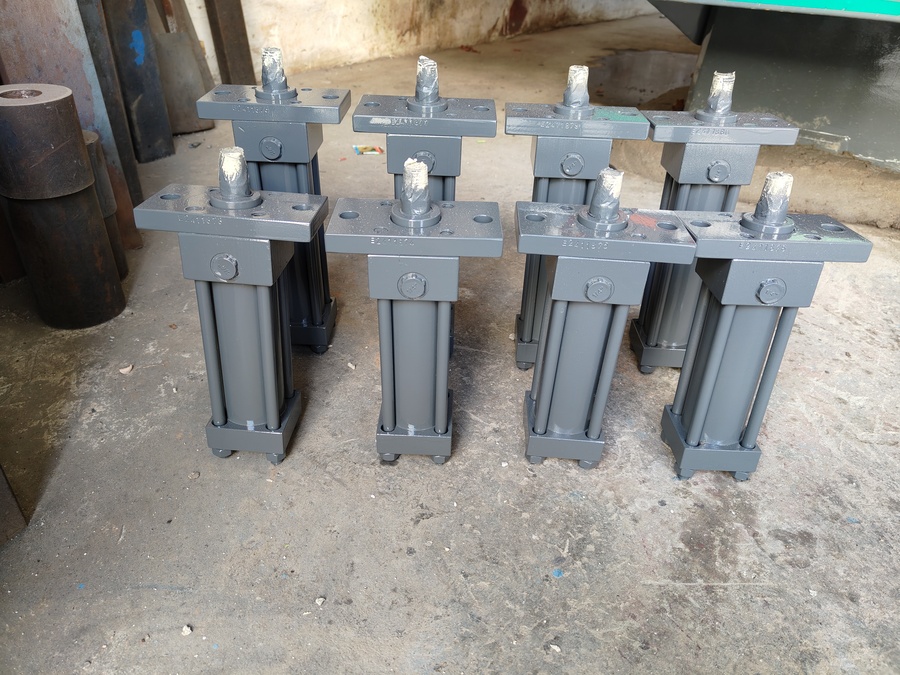
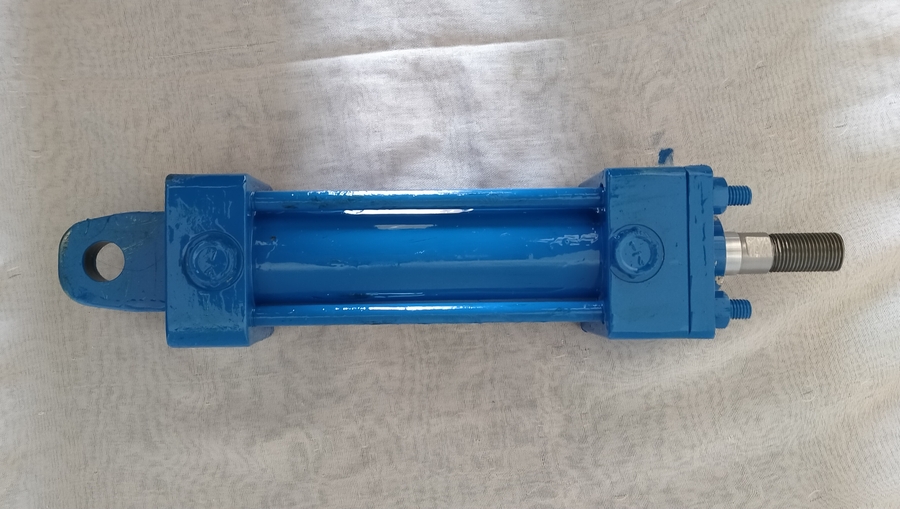
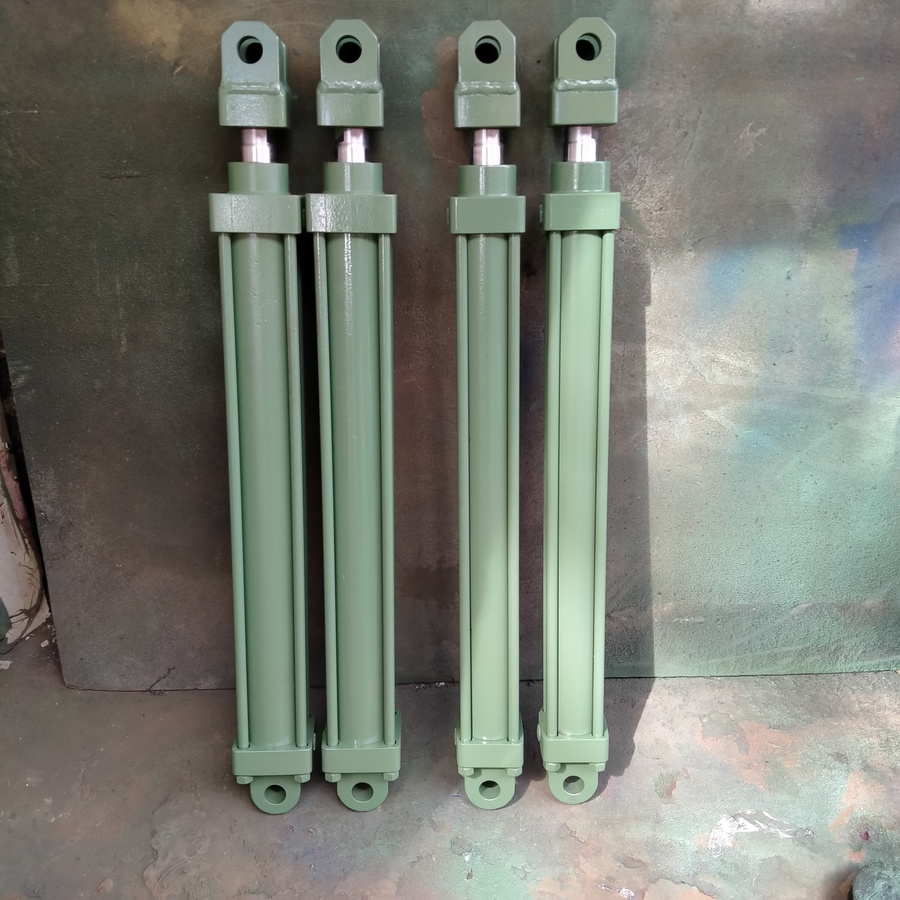
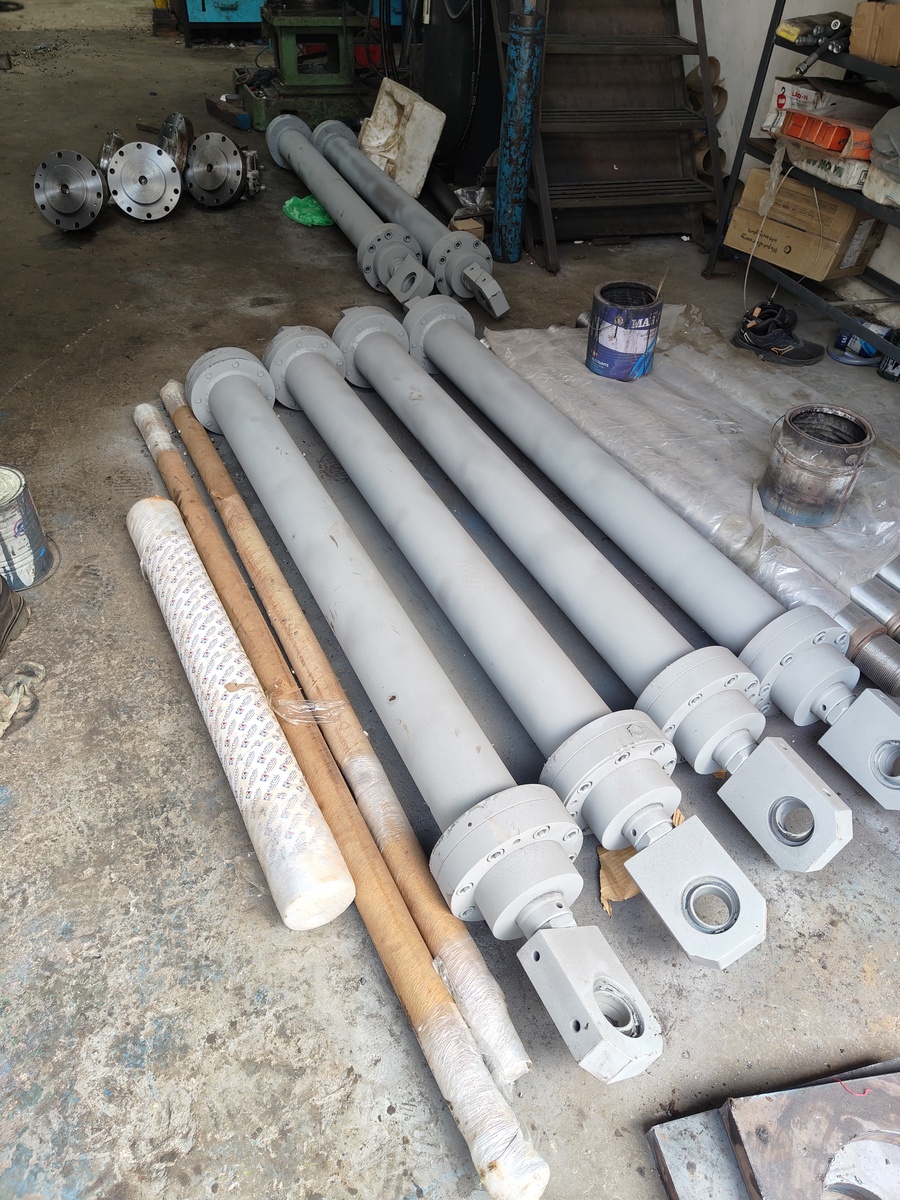
Tie-rod type hydraulic cylinders are typically defined by a set of standardized specifications that cover their key dimensions, performance limits, materials, and mounting options, often adhering to international standards like ISO 6020/2 or ANSI/(NFPA) standards.
Common ratings are 1000 PSI, 1500 PSI, 2000 PSI, and 3000 PSI (approx. 70 to 210 bar), with some heavy-duty models up to 350 bar.
Available in a wide range, typically from 25 mm to over 300 mm (or 1 inch to over 24 inches).
Varies widely by application, from a few inches to several feet, with maximum recommended strokes up to 3000 mm or 4000 mm for standard models.
Primarily double-acting (uses hydraulic pressure for both extension and retraction), though single-acting variants also exist.
Standardized options are available, including flange mounts (front/rear), clevis mounts, foot mounts, and trunnion mounts, in compliance with standards like ISO 6020/2.
Designed for use with petroleum-based hydraulic fluid as standard, with options for other fluids like fire-resistant water-glycol or phosphoric esters with appropriate seal changes.
Standard range is typically around -10°C to 70°C (14°F to 158°F), varying with the seal materials used.
Typical operating speed for standard cylinders is 8 to 300 mm/sec.
Optional feature for smooth deceleration at the end of the stroke to prevent impact.
High-strength steel or seamless steel tube; stainless steel for corrosion resistance.
High-strength alloy steel (often pre-stressed) to withstand significant tensile loads.
High-strength steel (e.g., 45C8 material or SAE 1045) that is typically hardened, ground, and hard chrome plated for wear and corrosion resistance.
Often made from ductile iron or steel.
Materials like polyurethane, nitrile (HNBR), or Viton are selected based on compatibility with the hydraulic fluid and the operating temperature/pressure.
Tie-rod cylinders are valued for their modular design and ease of maintenance, as the tie rods allow for relatively simple disassembly and reassembly to replace seals or internal components.