Lorem ipsum dolor sit amet consectetur adipisicing elit. Minima incidunt eaque ab cumque, porro maxime autem sed.
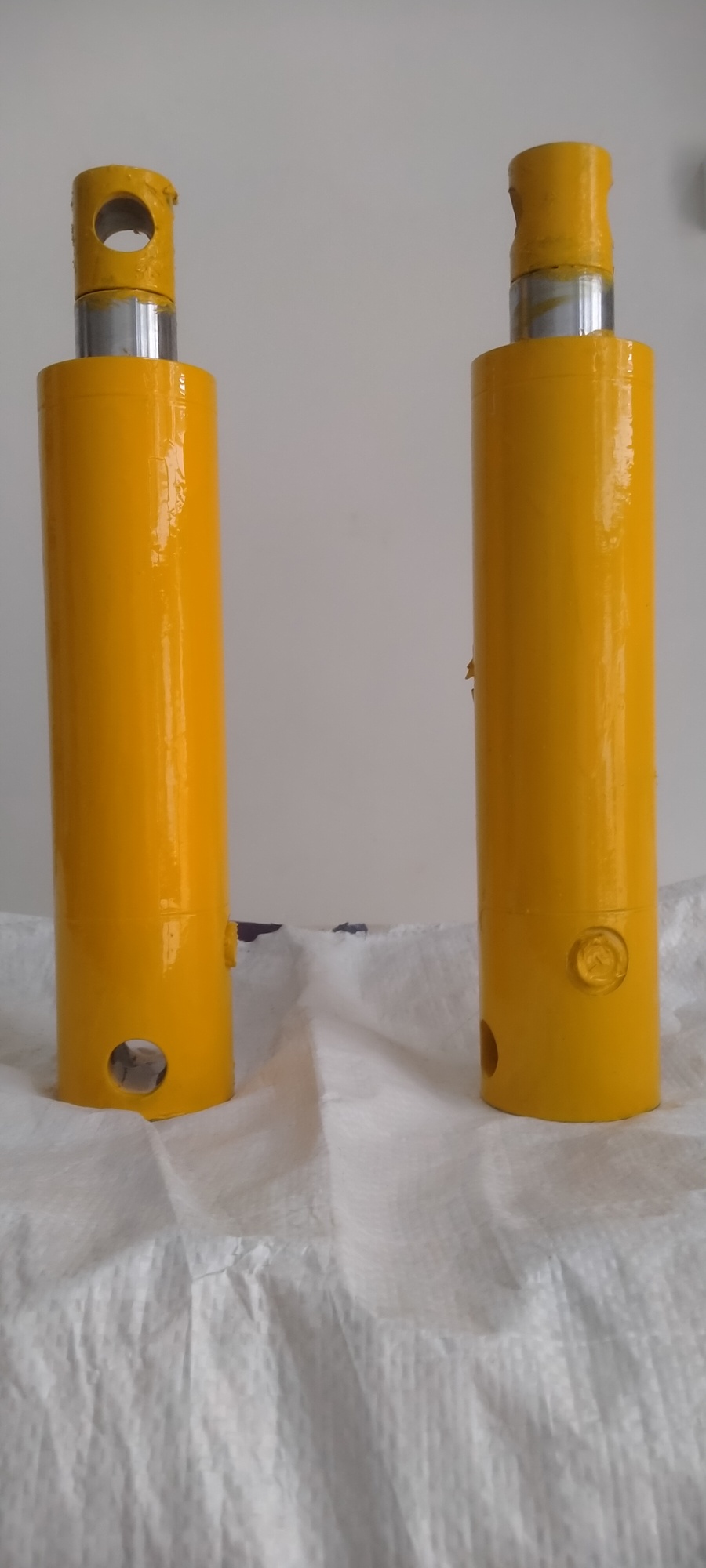
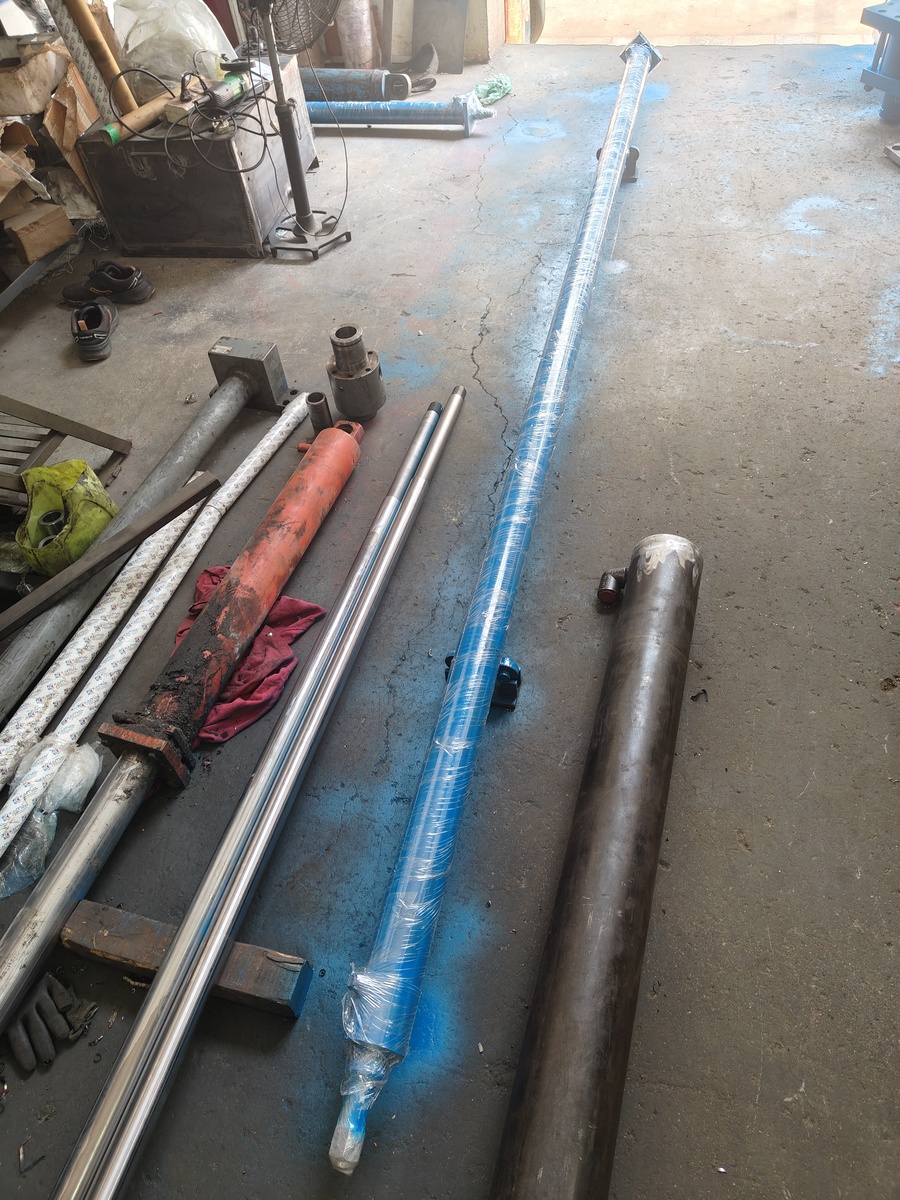
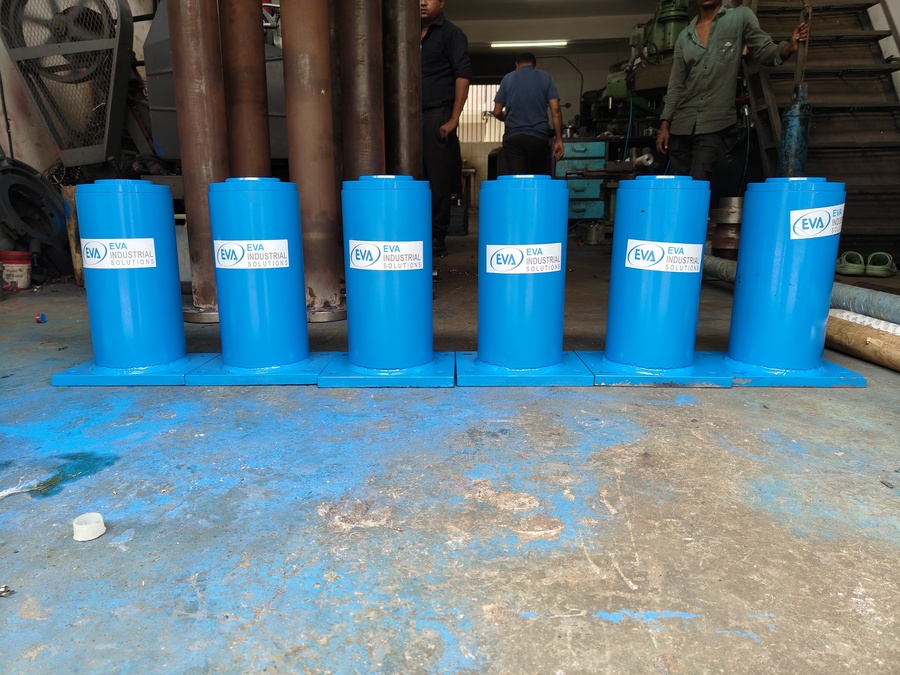
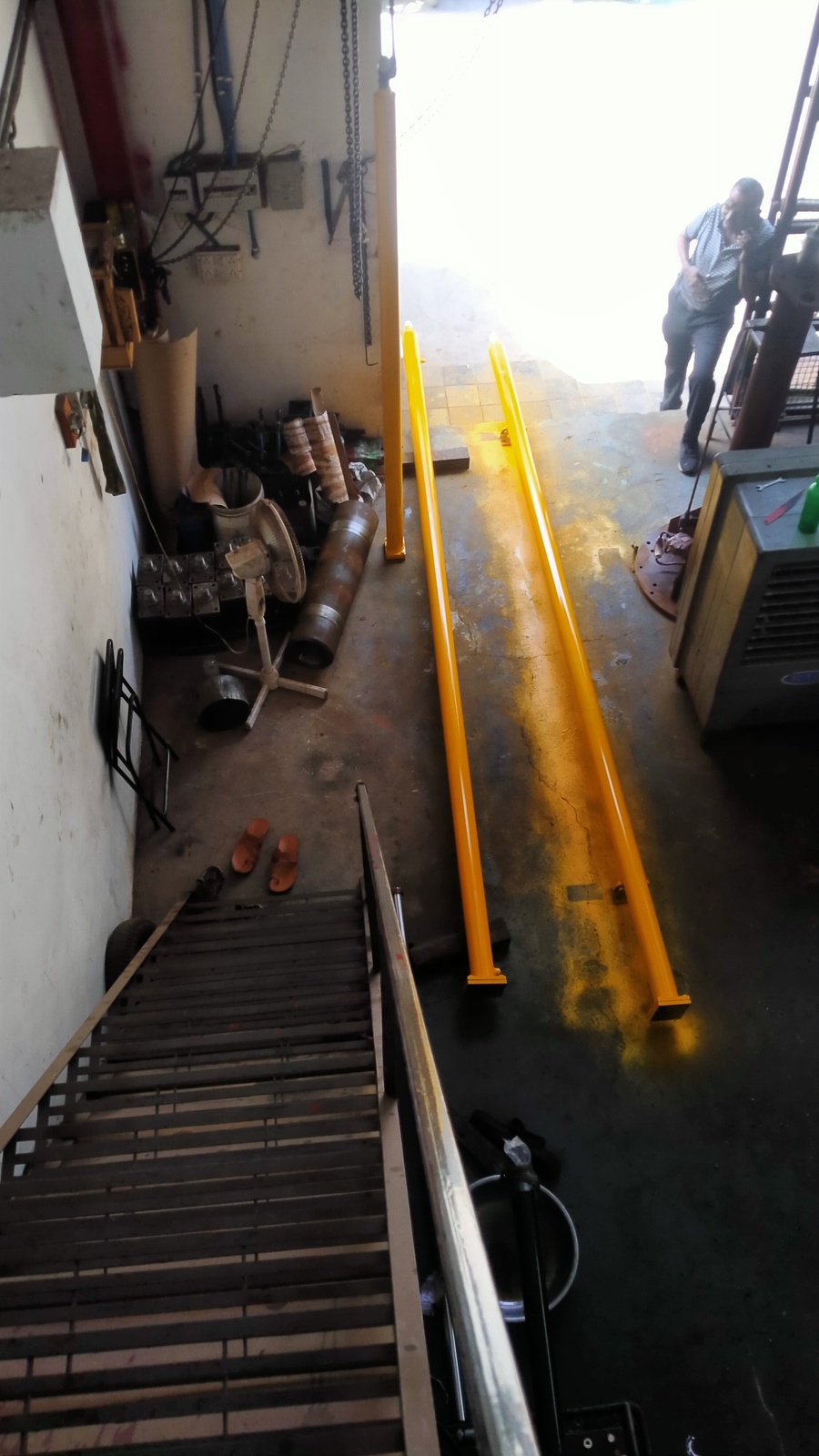
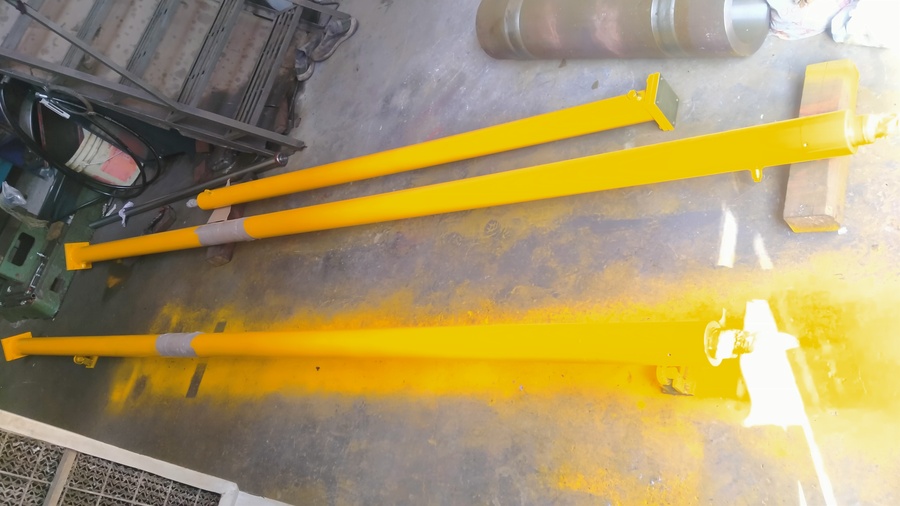
A single-acting hydraulic cylinder is a linear actuator that uses hydraulic fluid pressure to generate force and motion in one direction only (either extension or retraction). The return stroke, which brings the piston back to its original position, is achieved through an external force, such as a spring, the weight of the load, or gravity.
When pressurized fluid is pumped into the cylinder through the single port, it pushes against the piston, causing the piston rod to extend and perform work (the power stroke).
When the fluid pressure is released, an internal return mechanism or external force pushes the piston back. The hydraulic fluid is simultaneously forced out of the cylinder through the same port, returning to the reservoir.
Their simple design means fewer components and seals, making them more reliable, less expensive, and easier to maintain compared to double-acting cylinders.
Unlike double-acting cylinders, single-acting cylinders have only one port for the hydraulic fluid to enter and exit.
Single-acting hydraulic cylinders are ideal for applications where force is needed in only one direction and a return force is naturally available. Common uses include: